Showcase 9: Katja Schenker
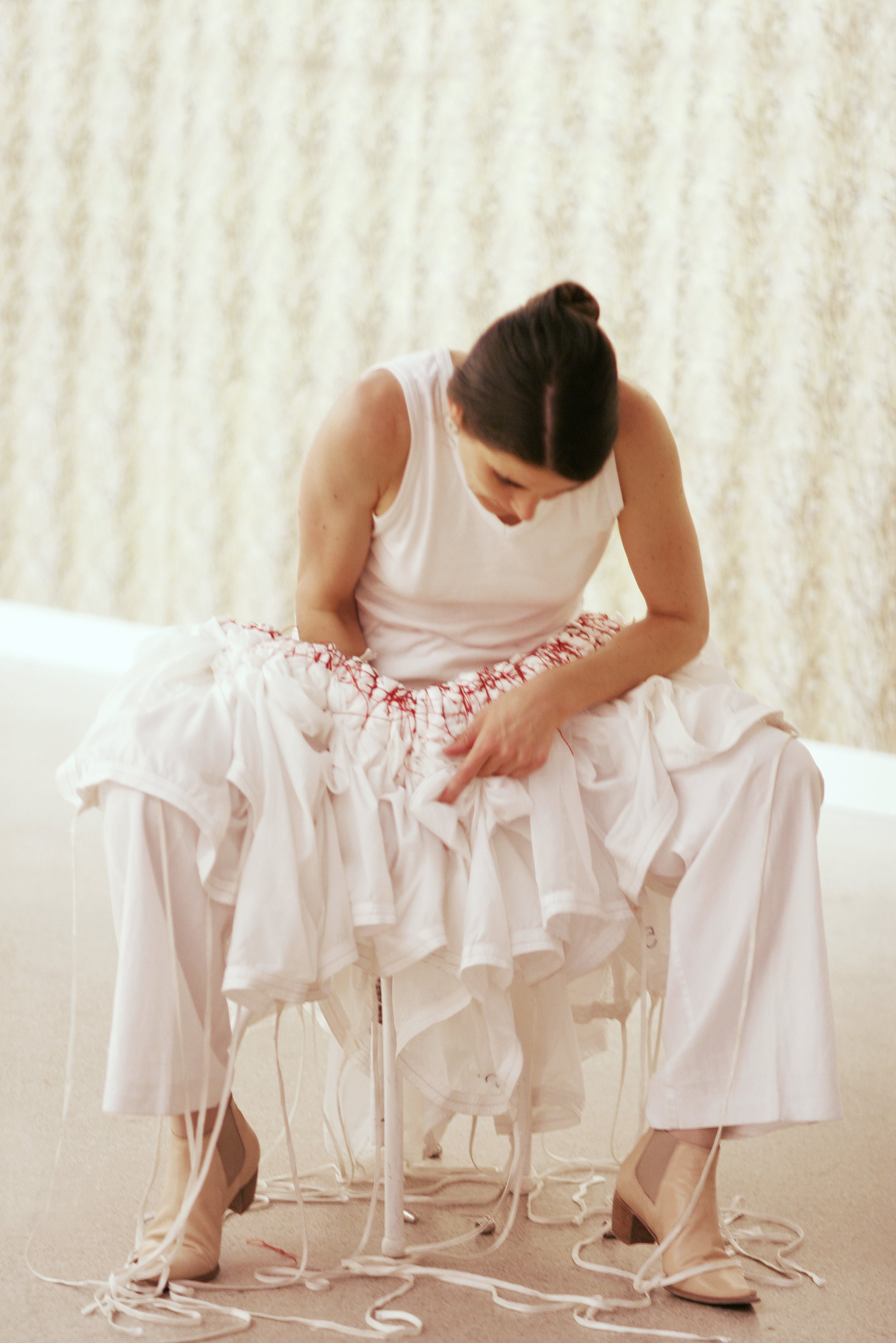
Sauvée (Performance), 2006
Foto Credits: Anna-Tina Eberhardt.
Text by Leopold Weinberg
My encounter with the work of Katja Schenker did not begin with a single object, but with a process. This may sound unusual for a collector, whose attention is often drawn to finished works, yet it reflects what fascinates me most about her artistic practice. Her sculptures, installations, drawings, and performances are never merely outcomes; they are traces of actions, transformations, and encounters with material. They carry within them the memory of their own becoming.
What has always impressed me about Katja's work is her extraordinary sensitivity towards materials. Wood, stone, textile, metal, concrete, or found objects are never treated as passive substances. Through physical engagement, patience, and persistence, they are pushed, compressed, stretched, wrapped, stacked, or released until they reveal qualities that were hidden within them all along. The resulting works often appear simultaneously powerful and fragile, monumental and intimate.
Her artistic language is deeply rooted in the body. Even when no performer is present, one senses the physical effort, concentration, and commitment that have shaped the work. The sculptures seem to preserve gestures, tensions, and movements, almost as if they were fossilized moments of energy. What remains visible is not only a form, but a lived experience.
I am particularly drawn to the way Katja's works transform our perception of space. Whether in public settings, exhibition contexts, or more intimate environments, her interventions encourage us to become aware of our own presence and relationship to the surrounding world. They remind us that space is not merely something we occupy; it is something we continuously create through our movements, perceptions, and encounters.
In the context of our art initative “Room For Art”, Katja's work feels especially meaningful. A hotel is a place of passage, of temporary arrival and departure. Her works invite precisely the opposite: they ask us to pause, to slow down, and to pay attention. They reward curiosity and openness, offering moments of reflection within the routines of everyday life.
Katja Schenker pushes this experience to its limits in her artist hotel room installation, inspired by her work ‘moll’. Covering the entire room with a wallpaper depicting crumpled paper, she dissolves the flatness of the walls into a sculptural landscape, inviting guests to experience the space in a completely new way.
About
Katja Schenker (born 1968 in St. Gallen; lives and works in Zurich and Paris) works across performance, drawing and sculpture. Her practice explores the body as a site of resistance, relation, and transformation.
“For me, the body is both material and subject,” says Schenker. “It keeps us upright, allows us to remain present and in motion, to connect with others, and to create spaces of freedom.”
Schenker is known for iconic performances like sauvée, the transformation of a parachute into a lifebuoy which is on view at the hotel. She has realized acclaimed large-scale works in public space, including Kerberos, the 250-metre-long intervention surrounding the incineration plant in Winterthur, and Dreamer (Wie tief ist die Zeit?), the monumental 11-metre-high, 100-ton concrete sculpture installed at the FHNW Campus in Muttenz near Basel.
At Hotel Helvetia, the documentary film on the making of Dreamer offers insight into Schenker’s sculptural process over four years.
Parallel to the showcase at Hotel Helvetia, Schenker presents a solo exhibition at Museum Haus Konstruktiv in Zurich, featuring a new series of striking red large-format oil pastel drawings: Caryatids Go for a Swim (June 3–September 6, 2026).
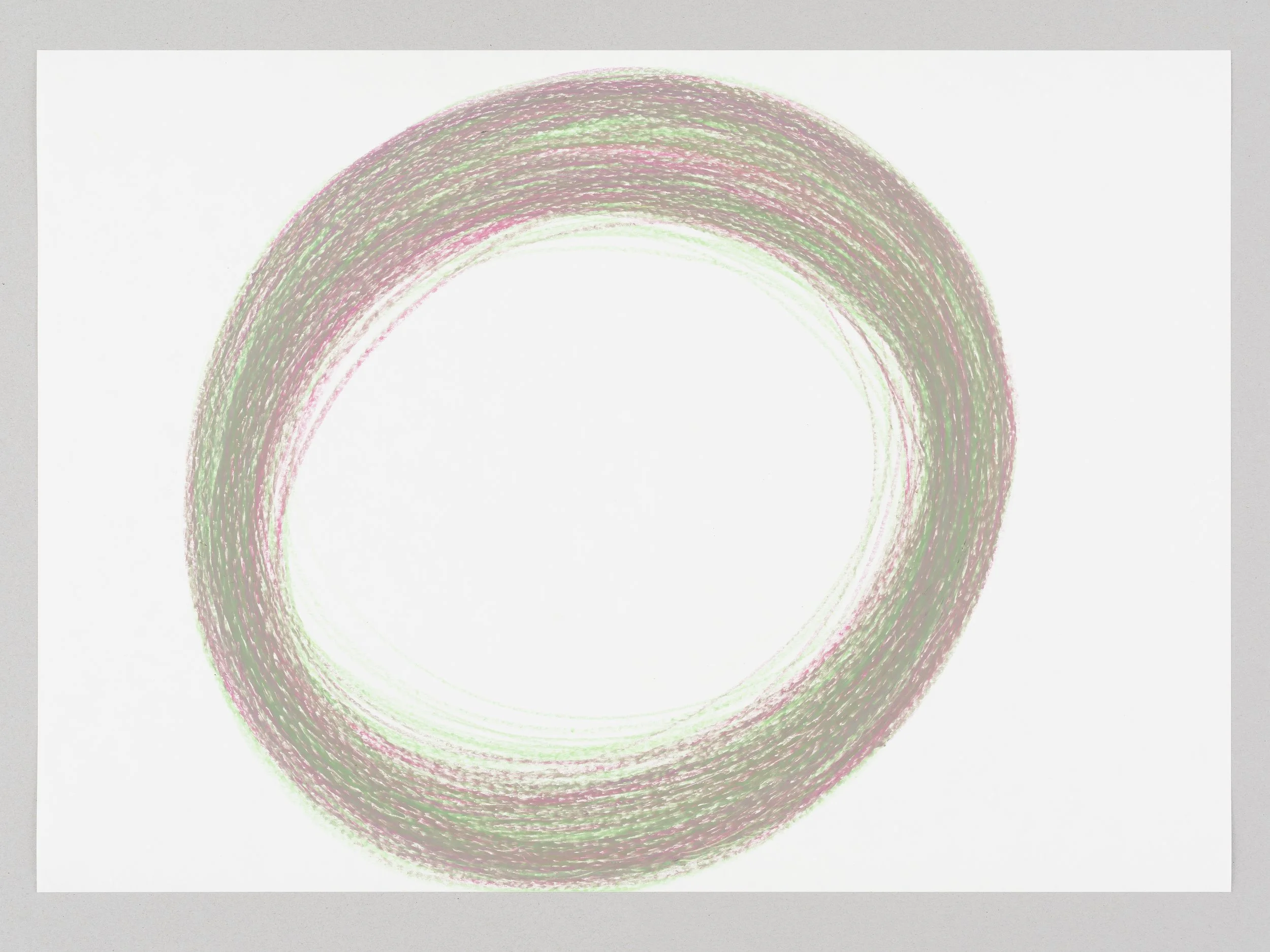
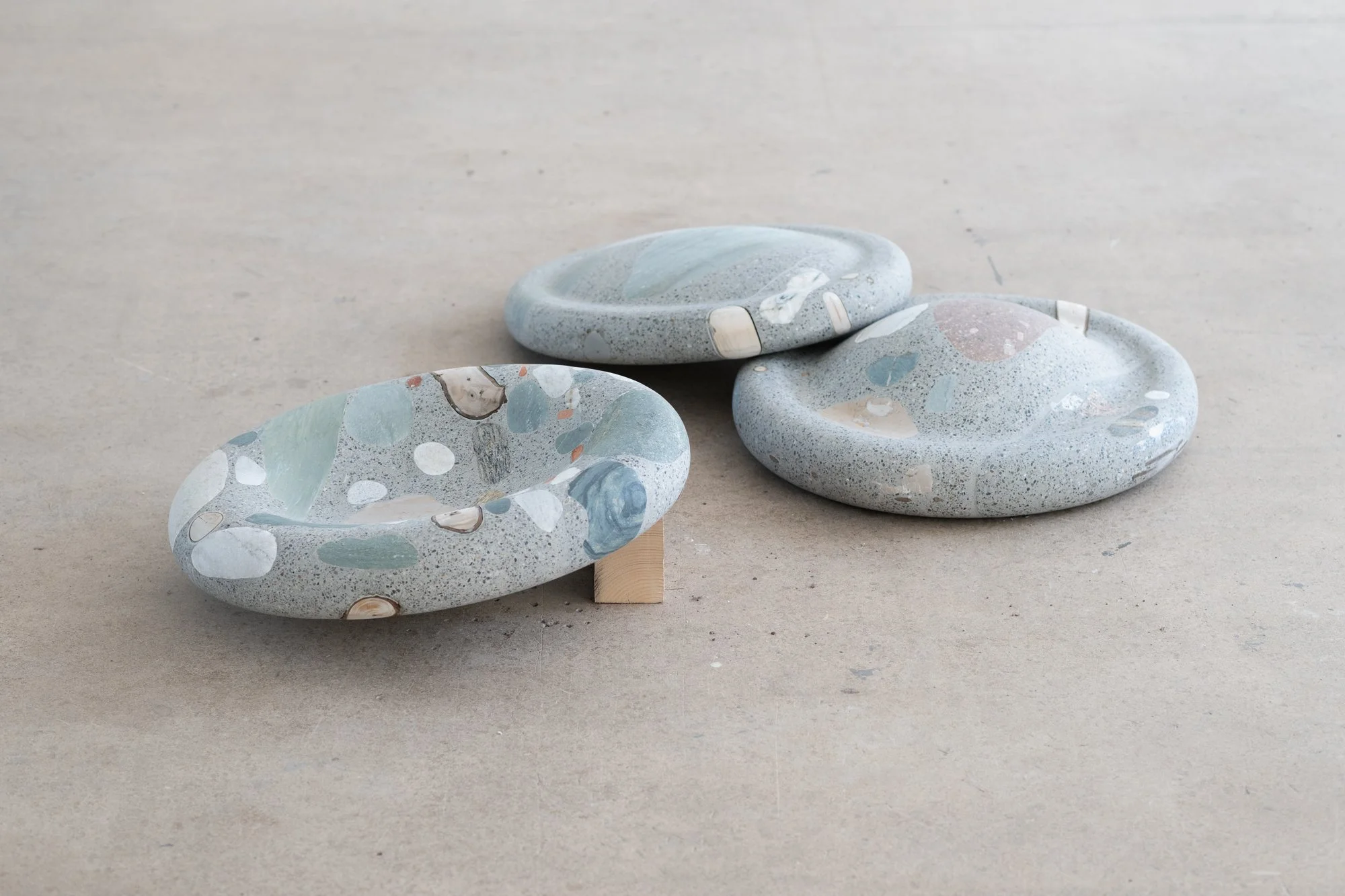
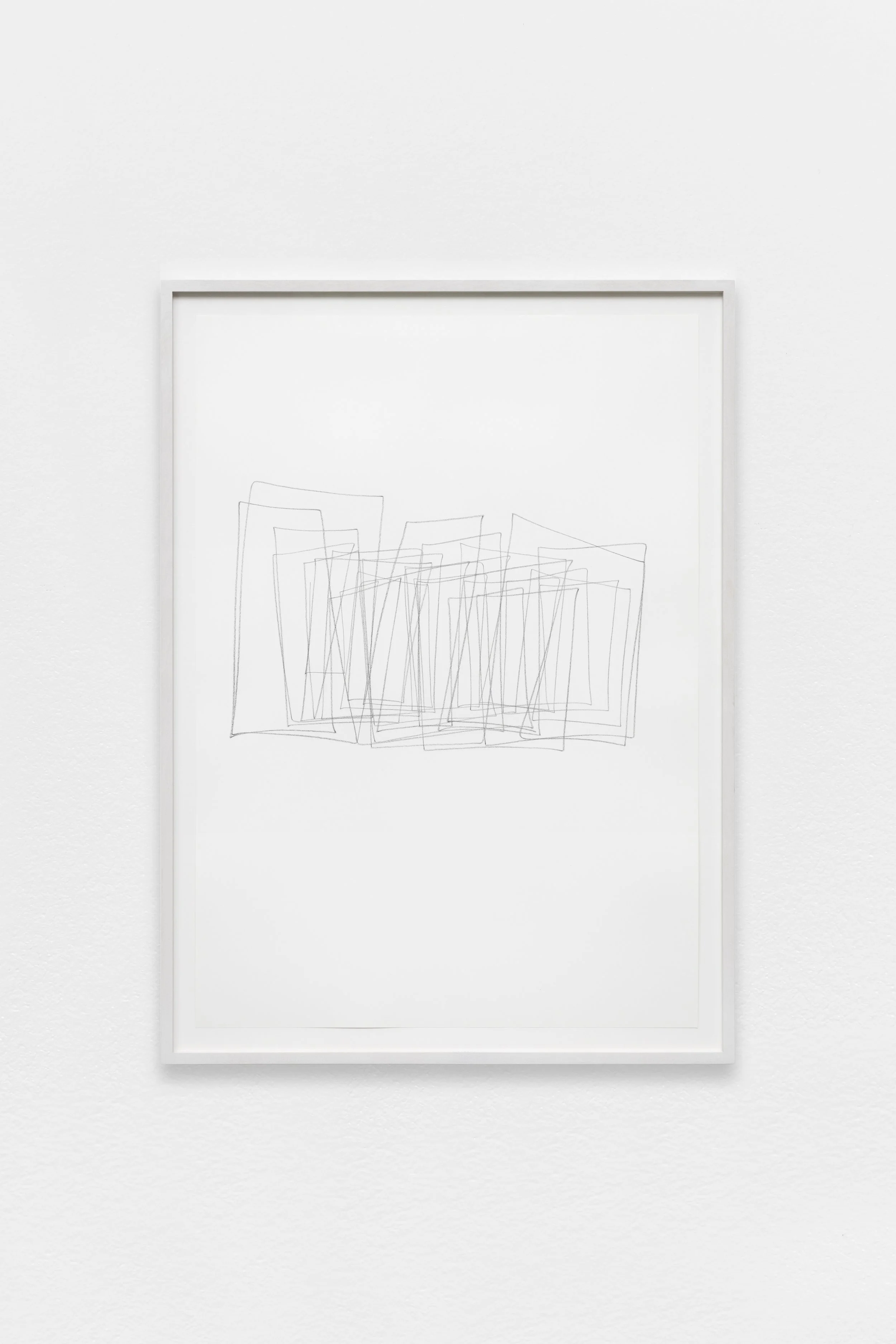
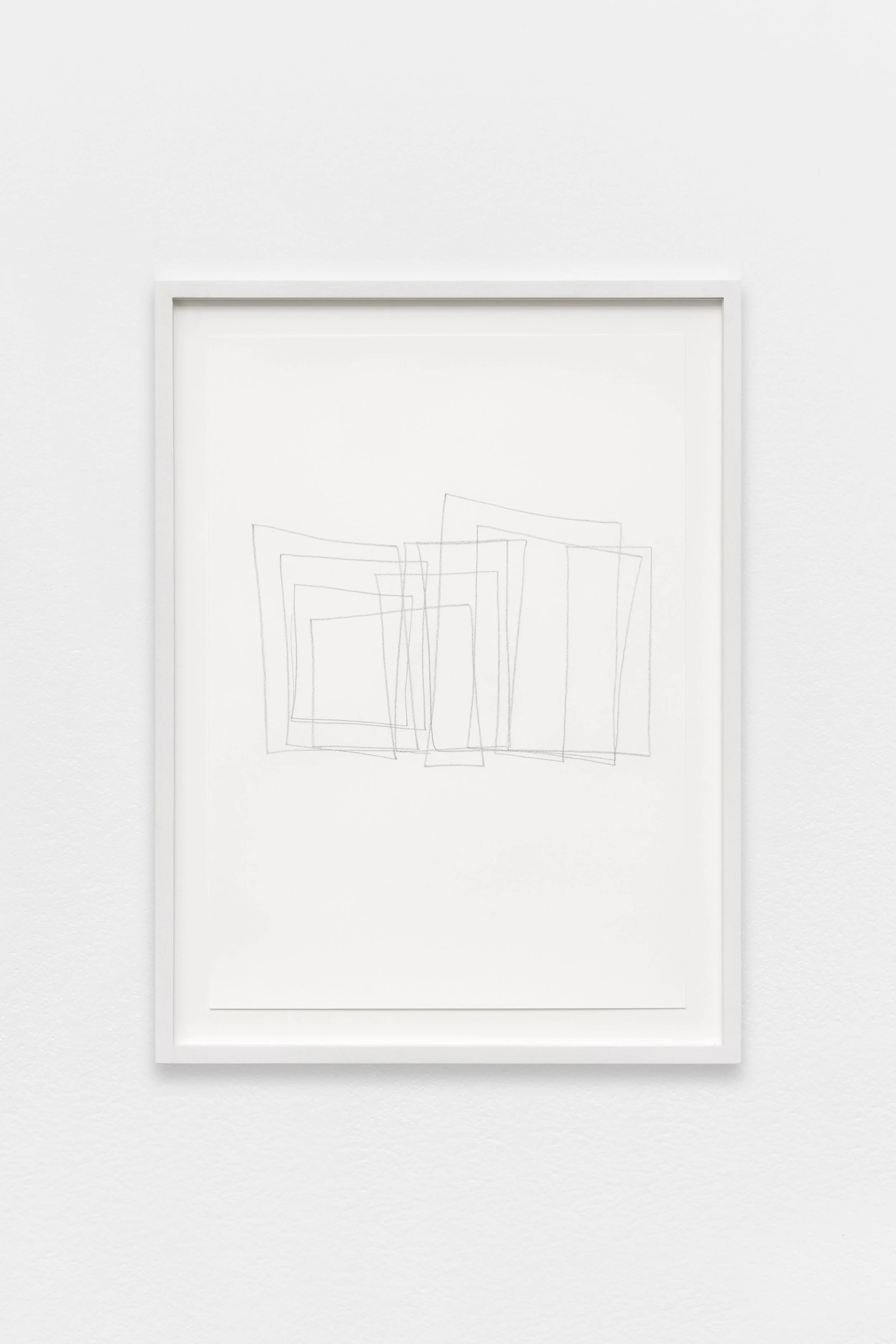
Mise en abîme, 2024, Foto Credit: Sebastian Stadler
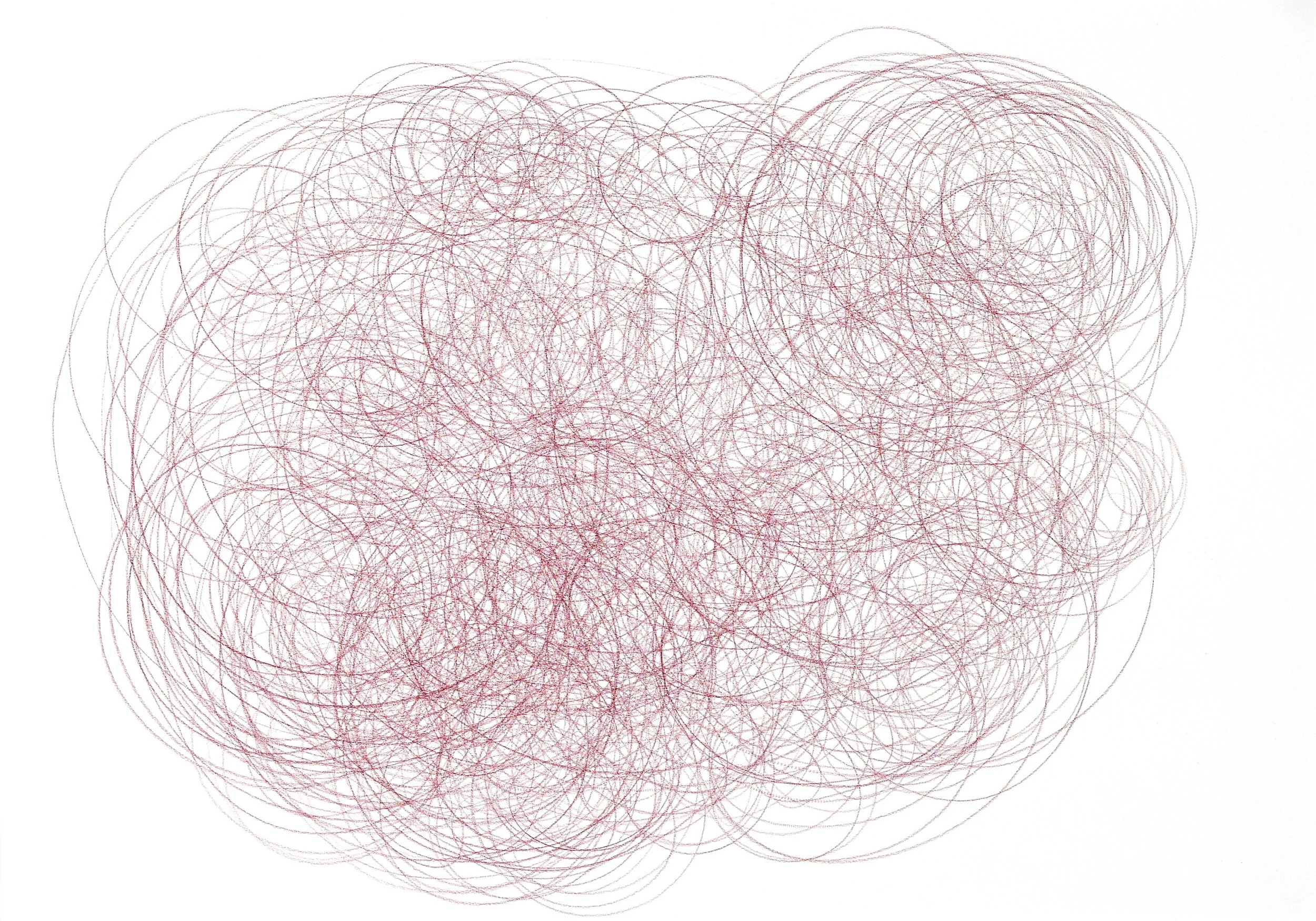
auffächern, 2008 Foto Credit: Aurelien Mole
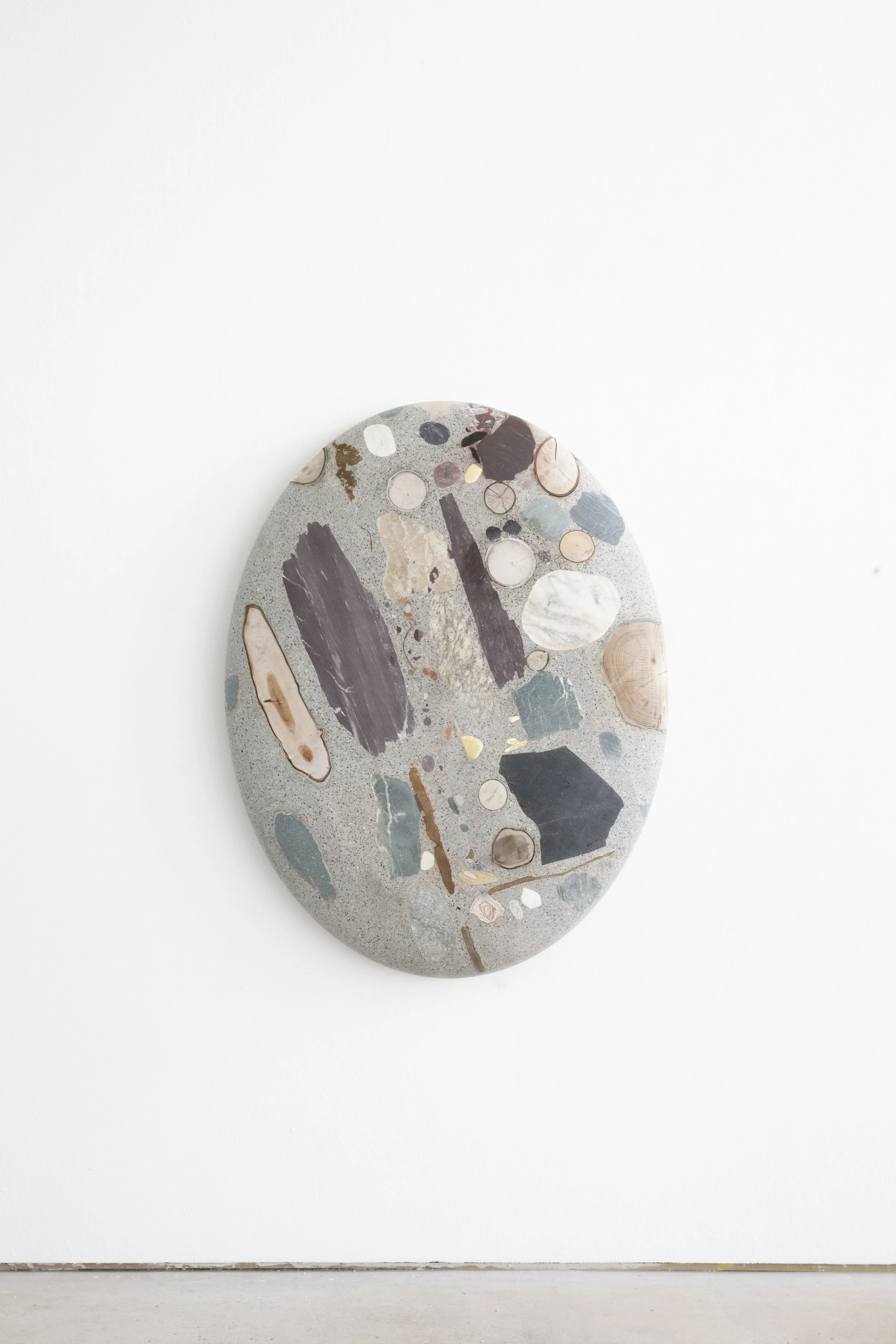
noch zu benennen, 2020, Foto Credit: Stefan Jaeggi
moll, Kunstverein Konstanz, 11. 2. 2011. Video: Claudia Bach